Creating New Opportunities Through Land Reclamation
January 17, 2024
January 17, 2024
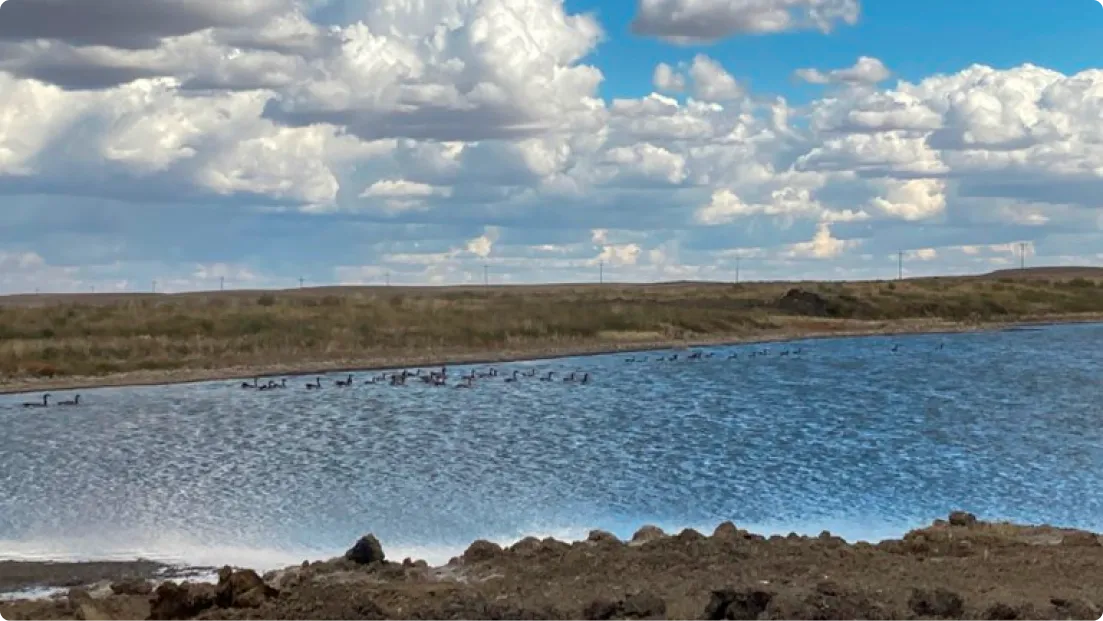
In southern Alberta, two divisions of the WestMET group—WestMET ERS and WestMET Ag—are tapping into a mine of economic and agricultural opportunities. In an article for CIM Magazine highlighting the reclamation of the Sheerness coal mine in Hanna, WestMET representatives shared an outlook beyond restoring land conditions.
The group has retrained mine workers for the reclamation work, utilizing regenerative agricultural solutions such as cover crop planting, native seed mixtures and rotational grazing to not only restore but improve the land conditions from what they were previously. Reclamation work at the Sheerness mine includes backfilling, recontouring and revegetating areas at the site. The land is levelled, subsoil and topsoil are placed, and then soil-building vegetation may be added. The regenerative agriculture solutions mentioned above help to improve soil quality, bringing it back to the same or better condition it was in before mining.
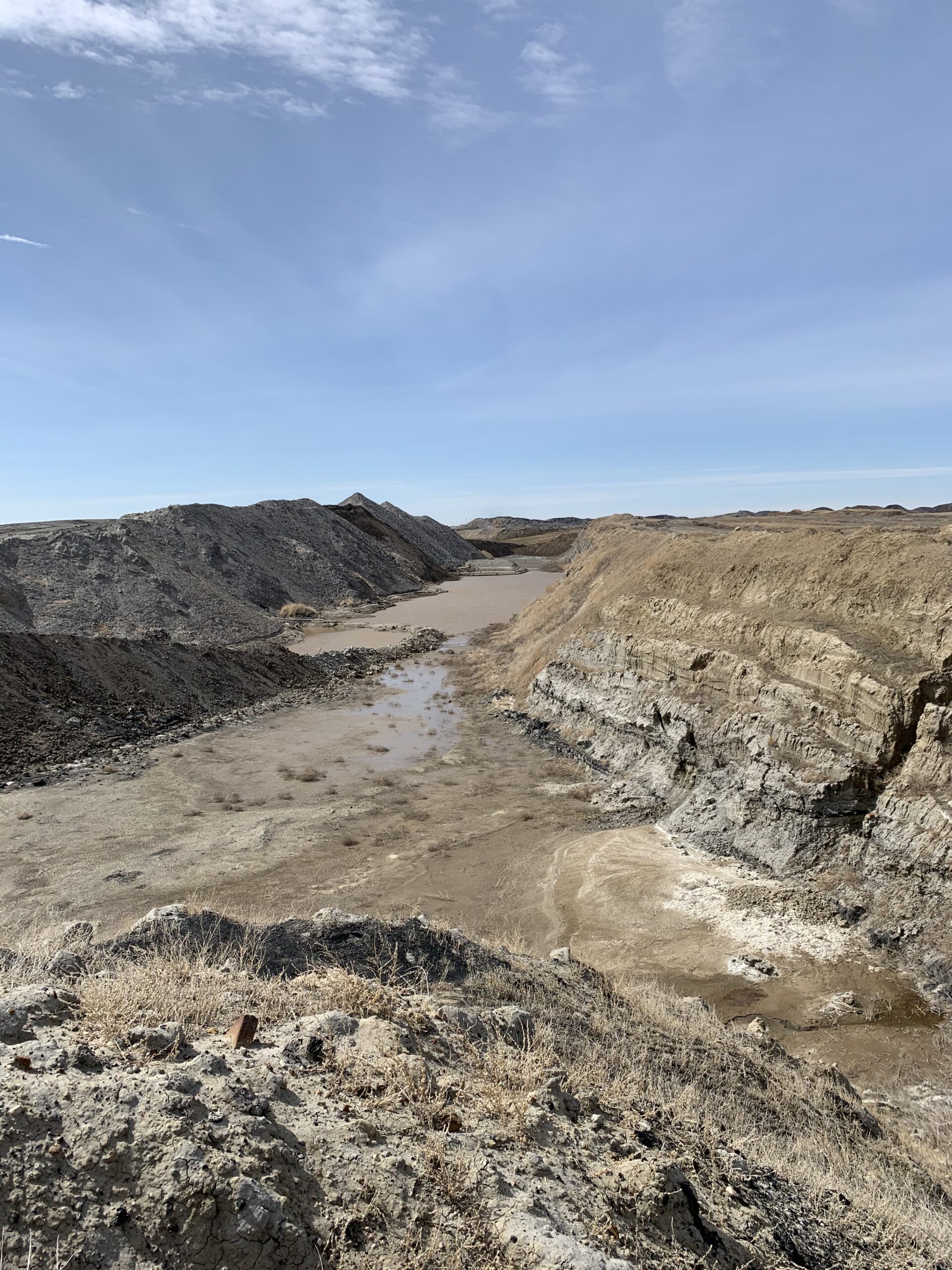
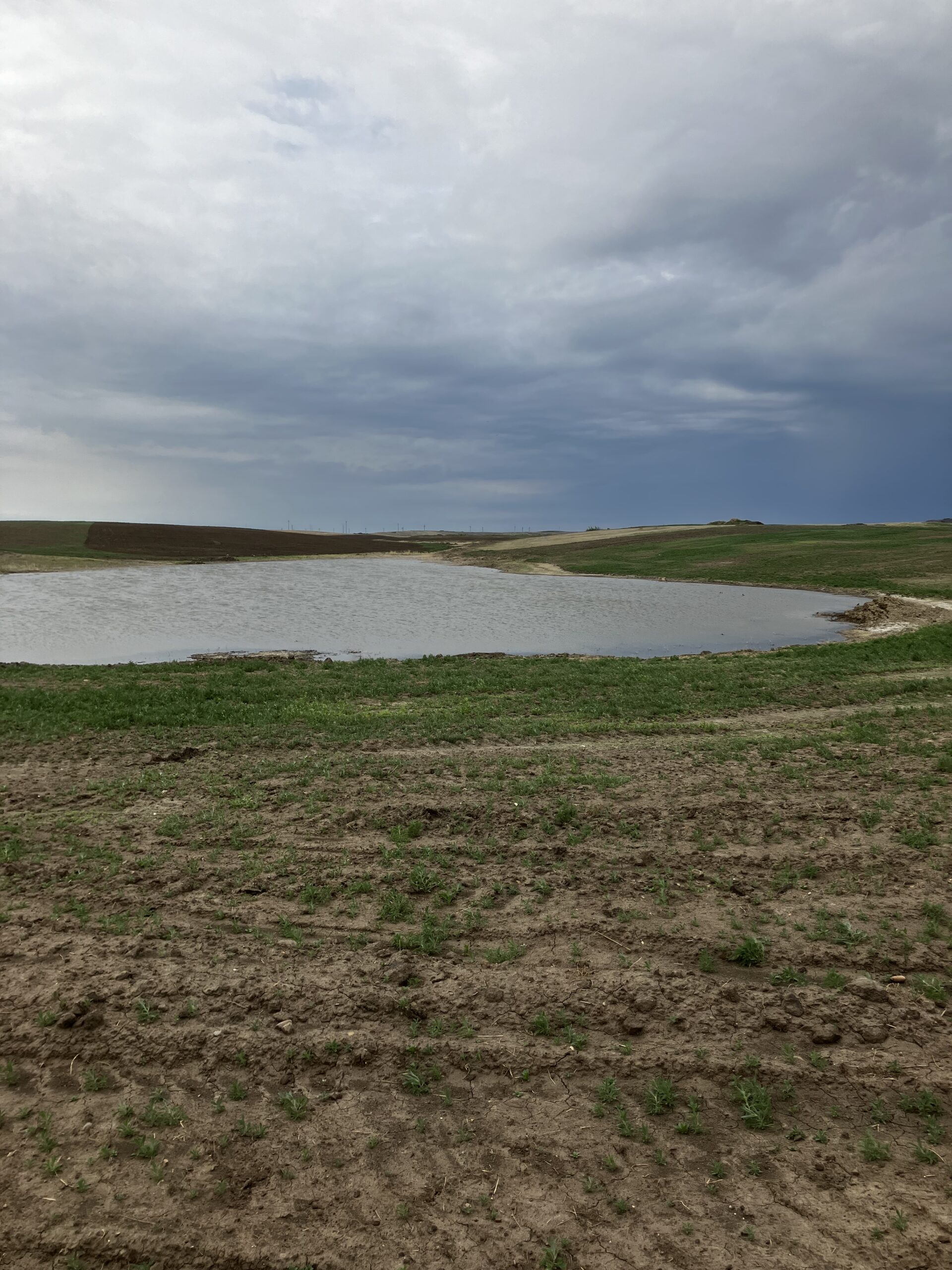
For example, planting cover crops helps to protect the soil from wind erosion, and using a mixture of different grass and legume species native to the area helps boost root growth and rebuild organic matter in the reclaimed soil.
The seed mix, planted in the fall and spring, will eventually host cattle as part of a rotational grazing program. As new agricultural solutions to improve soil quality become popularized, the team continues to test new ways to increase organic matter in the reclaimed soil. WestMET ERS aims to complete the reclamation work by 2026.
Restoring the coal pit to prairieland and creating new opportunities at the site have made a significant impact for the town of Hanna and its surrounding areas. The reclamation work provided mine workers with promising prospects for the future—the very essence of what restoration work and WestMET ERS are all about.